
How Many Nights Do You Actually Need in Sri Lanka? A First-Timer’s Planning Guide
Sri Lanka is a genuinely small island, roughly the size of Ireland or Tasmania and that scale creates a specific planning trap for first-time visitors: it looks compact enough on a map to “do properly” in a week, right up until you actually start building the route and realise the island’s variety, ancient cities, tea-covered highlands, safari parks and coastline, doesn’t compress the way its size suggests it should. Here’s a straightforward way to think about how many nights you actually need, based on what you’re hoping to see. SEVEN TO NINE NIGHTS: THE HONEST MINIMUM FOR A REAL FIRST IMPRESSION At this length, you’re choosing a single coherent arc rather than attempting the whole island and the arc that works best in seven to nine nights typically combines the Cultural Triangle (Sigiriya and Dambulla), one or two nights in Kandy, a short stretch of tea country and a beach finish on the south or west coast. This is enough time to see genuinely excellent sites without every day being a transit day, but it does mean leaving things out, Yala safari, the full highland train experience or a deeper wildlife itinerary generally don’t fit comfortably without cutting something else back. If your available time sits in this range, the honest advice is to pick depth over breadth in whichever region matters most to you, rather than trying to touch everything lightly. TEN TO TWELVE NIGHTS: THE RANGE WHERE THE ISLAND STARTS TO OPEN UP This is where most well-designed Sri Lanka itineraries genuinely live, long enough to include the Cultural Triangle, a proper cultural day in Kandy, real time in tea country including the scenic Nanu Oya to Ella rail journey, at least one full safari day and a coastal finish that doesn’t feel rushed. Ten to twelve nights is enough to move at a reasonable pace, without the kind of back-to-back travel days that leave people more tired at the end of a “relaxing” holiday than they were before it started. Most of our Refined Heritage Collection and Signature Island Collection routes sit in or near this window for exactly this reason. FOURTEEN NIGHTS OR MORE: WHEN YOU WANT THE COMPLETE ARC OR A GENUINELY SLOW ONE Beyond twelve nights, two different kinds of traveller tend to be planning: those who want the most complete possible version of the island in one trip, heritage, wildlife, highlands, coast and a wilder region like the Knuckles or Sinharaja rainforest and those who want a considerably slower version of a shorter route, with genuine multi-night stays rather than a fast-moving circuit. Both are entirely valid ways to use the extra time, but they produce very different itineraries and it’s worth being clear with yourself and with whoever is planning the trip, about which one you actually want before the route gets built. THE PLANNING MISTAKE TO AVOID The single most common first-timer mistake isn’t choosing too few nights, it’s trying to fit a fourteen-night itinerary’s worth of sites into nine nights because every individual site looked essential in isolation. A route with too many one-night stops, more time spent in transit and checking in and out of hotels than actually experiencing each place, is a worse use of nine nights than a shorter, more focused version of the same trip. If you’re not sure how many nights you genuinely need, the more useful starting question isn’t “how much can I fit in,” it’s “what would I regret not having proper time for,” and building outward from that answer. Not sure which length is right for your dates? Tell us how much time you actually have and what you don’t want to miss and we’ll tell you honestly what fits and what doesn’t.
What a Genuine Ayurveda Day in Sri Lanka Actually Involves
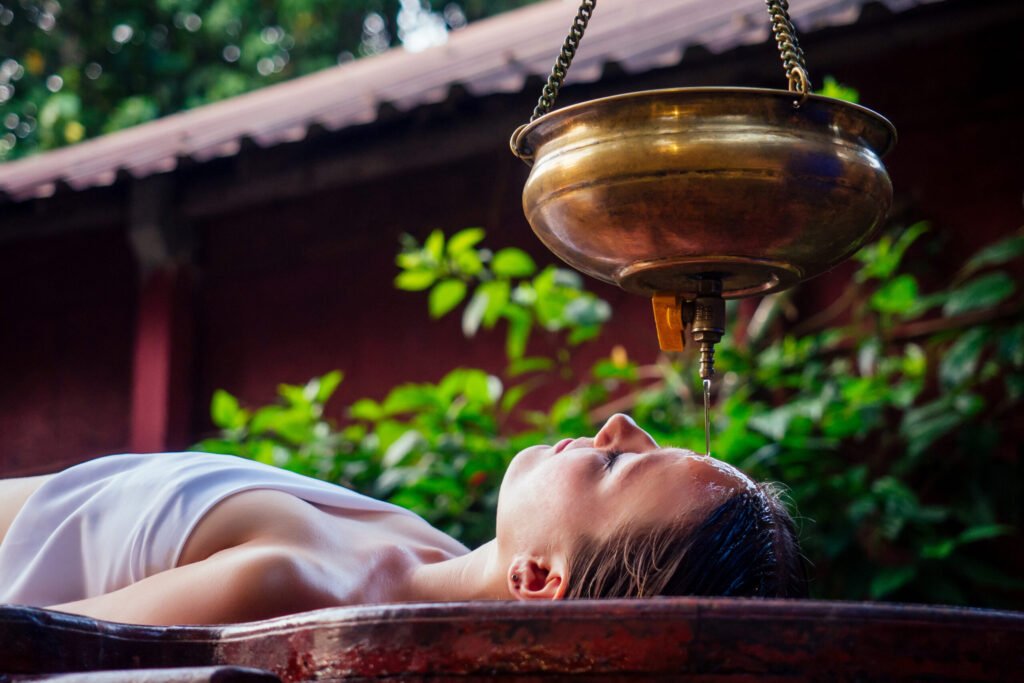
Ayurveda has become something of a marketing word in Sri Lankan hospitality, printed on spa menus at hotels with no doctor on staff and no diagnostic process beyond a guest’s stated preference for “relaxing” versus “energising.” That’s not Ayurveda, it’s a spa with a Sanskrit name attached. The genuine version is a structured medical tradition with a consultation process, a diagnosis and a treatment plan built around your specific constitution and it looks and feels considerably different from a resort massage menu. Here’s what that actual difference involves. IT STARTS WITH A DOCTOR, NOT A TREATMENT MENU A certified Ayurveda centre opens every guest’s programme with a consultation led by a qualified Ayurvedic doctor, not a spa therapist working from a fixed list of services. The consultation covers Prakriti analysis, an assessment of your inherent constitutional type across the three doshas (Vata, Pitta and Kapha), alongside pulse diagnosis, a genuinely diagnostic technique where a trained practitioner reads specific qualities in your pulse to understand current imbalances. This isn’t a wellness questionnaire with a few tick-boxes. It typically takes thirty to forty-five minutes and it’s the step that determines everything that follows, because the treatments a Vata-dominant guest needs are meaningfully different from what suits a Pitta-dominant one. THE TREATMENTS ARE SPECIFIC, NOT INTERCHANGEABLE Two treatments anchor most single-day Ayurveda experiences. Abhyanga is a synchronised, two-therapist warm oil massage using oils selected specifically for your dosha profile, applied in coordinated, full-body strokes that differ meaningfully from a standard spa massage in both technique and intent. It’s typically followed by a herbal steam bath, which helps the oils penetrate more deeply and supports the detoxification process the treatment is designed to encourage. For guests spending longer at a centre or returning for a multi-day programme, Shirodhara, a continuous, controlled stream of warm medicated oil poured over the forehead and more intensive Panchakarma protocols may be recommended, but these are prescribed based on the consultation rather than offered as a standard upsell. A SINGLE DAY IS A GENUINE INTRODUCTION, NOT THE FULL PICTURE It’s worth being honest about what a single Ayurveda day can and can’t achieve. A one-day consultation and treatment session gives you a real, doctor-assessed introduction to your constitutional type and a properly administered treatment, which is meaningfully more than a spa afternoon delivers. But Ayurveda’s deeper therapeutic effects, the kind that address chronic conditions or genuinely reset the body’s balance, generally require a multi-day or multi-week programme, since the treatments build cumulatively rather than delivering their full effect in a single session. If you’re genuinely curious about what a longer programme might offer, a good centre will tell you this plainly during your single-day consultation rather than oversell the one day you’ve booked. WHAT TO ACTUALLY LOOK FOR WHEN BOOKING The clearest signal of a genuine centre is the presence of a resident, qualified Ayurvedic doctor, not a visiting consultant or a therapist trained in a shortened certificate course. Ask directly whether a doctor leads the consultation and whether pulse diagnosis is part of the process. A centre that can’t answer both questions clearly is likely offering a spa experience dressed in Ayurvedic language rather than the genuine medical tradition. We work only with certified centres for exactly this reason and we’ll tell you plainly which of our Wilderness & Wellness itineraries include a proper doctor-led day versus which coastal stops simply offer a relaxing treatment alongside the beach.
Yala or Wilpattu: Choosing the Right Leopard Safari for Your Sri Lanka Trip
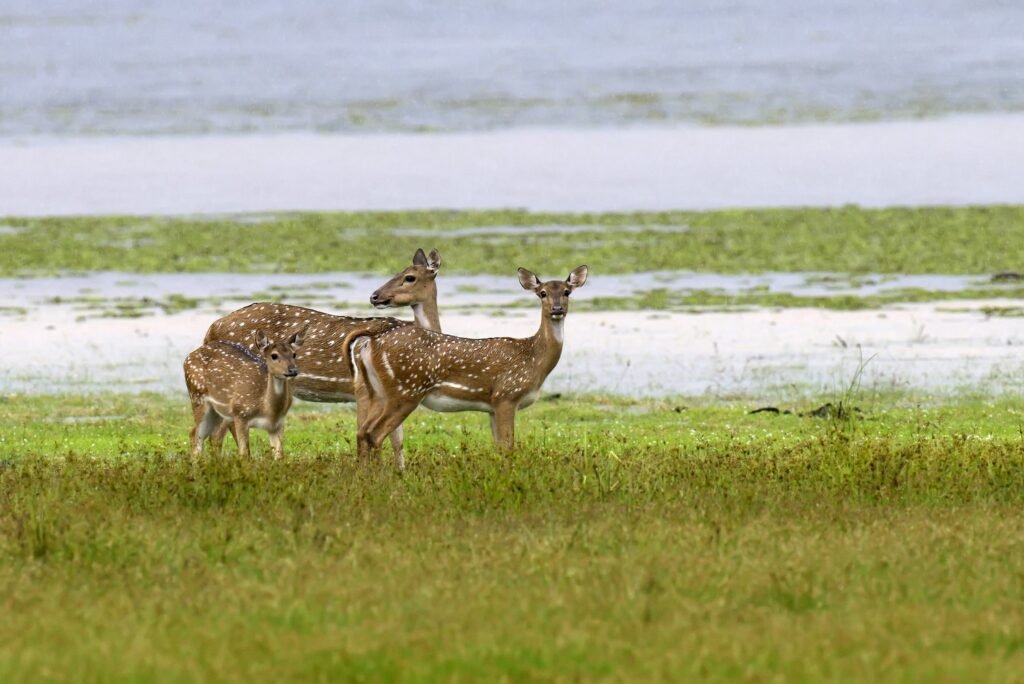
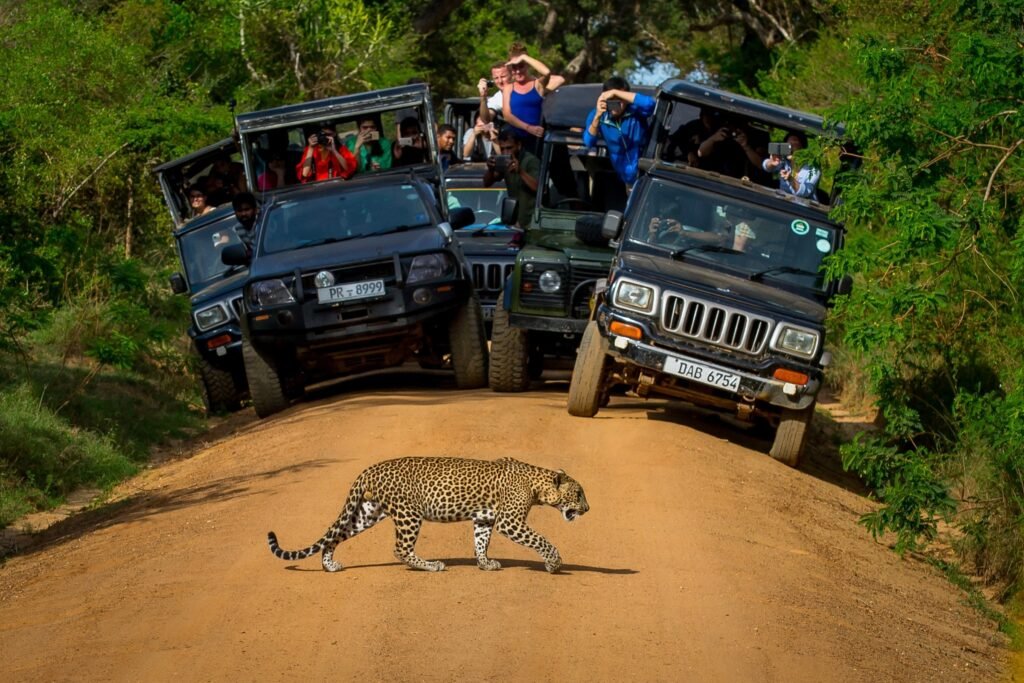
Ask most people planning a first Sri Lanka trip which park to safari in and the answer arrives before the question finishes: Yala. It’s the name that shows up first in every search, the one with the leopard-density statistic everyone quotes, the default choice baked into most standard itineraries. That default isn’t wrong, exactly. But it’s incomplete and for travellers who already know they want a genuinely wild safari experience rather than a box-ticking one, the choice between Yala and Wilpattu deserves more thought than the search rankings suggest. YALA: THE STATISTIC IS REAL AND SO IS THE CROWDING Block 1 of Yala National Park holds the highest recorded density of wild leopards per square kilometre anywhere on earth. That fact is not marketing exaggeration, it’s a genuine, well-documented ecological reality and it’s the reason Yala anchors most heritage and wildlife-focused Sri Lanka itineraries, including several of ours. A pre-dawn private jeep entry into Block 1, with a dedicated specialist tracker, gives you the best realistic odds of a leopard sighting anywhere in the country, alongside wild elephants, sloth bears, mugger crocodiles and a coastal lagoon that draws painted storks and flamingos. The honest trade-off is popularity. Yala is Sri Lanka’s most visited national park and Block 1 in particular can see a meaningful cluster of jeeps converge on a good sighting, especially in the busier months from December through March. This doesn’t make the experience bad, wildlife here is genuinely wild and sightings are never guaranteed regardless of how many vehicles are present, but it does mean the experience leans closer to a well-run, high-probability safari than to a sense of untouched wilderness. WILPATTU: THE QUIETER, WILDER ALTERNATIVE Wilpattu is Sri Lanka’s largest national park and its character is defined by something Yala doesn’t have: villus, natural, shallow lakes scattered through dense dry forest, around which wildlife concentrates in a way that rewards patience rather than volume. Leopard, sloth bear and elephant sightings all happen here, but Wilpattu receives a fraction of Yala’s visitor numbers, which means a morning in the park can feel genuinely remote in a way that’s increasingly rare on a well-established wildlife circuit. The trade-off runs the other way here. Wilpattu’s remoteness means longer drive times from most starting points and its lower density and more forested terrain mean sightings, while entirely possible, ask more of your patience than Yala’s more open, leopard-concentrated Block 1 typically does. This is the park serious wildlife photographers specifically seek out and it’s also the park we recommend most often to travellers who’ve already done a Yala-style safari on a previous Sri Lanka trip and want a genuinely different kind of morning in the bush. SO WHICH ONE IS ACTUALLY RIGHT FOR YOU? The honest answer depends less on which park has the better statistics and more on what you actually want from the morning. If the leopard sighting itself is close to non-negotiable, if this is your first Sri Lanka safari and you want the best realistic odds, Yala earns its reputation and its place in most itineraries, including the Refined Heritage Collection routes built around it. If you’ve already experienced a Yala-style safari or if the idea of a quieter, more solitary wildlife encounter matters more to you than maximising the odds of any single sighting, Wilpattu is worth the extra drive time and it’s the park we build into our Ancient Cities & Wild Horizons route for exactly this reason. Neither park is a lesser version of the other. They’re simply different answers to the same underlying question, how much do you want the odds stacked in your favour, versus how much do you want the sense of being genuinely, quietly alone with the forest. Tell us honestly which answer sounds more like you and we’ll build the safari day or days, around it.